Does the question "What do you want to be when you grow up?" feel too limiting? In Emilie Wapnick's book How to Be Everything, she lays out models for a sustainable life and career for those who don't want to have to choose.
Enjoy the Silence A review of Jessica Backhaus's new photobook Papyrus
Each time I’m confronted with the photographic works of German photographer Jessica Backhaus (b. 1970), there’s a voice in my head that says, utterly bewildered, “This can’t be as good as it is.” Her subjects are so simple, the images are so stripped. Yet, I’m captivated. I look, insatiably. My eyes devour. So it is with her latest book, Papyrus, a celebration of the medium of paper.
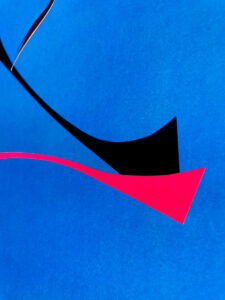
The book’s publisher, Kehrer Verlag, notes Papyrus as the third and final installment in Backhaus’s trilogy of books on abstracted visual language. Here, they write, she creates “a conceptual bridge” that draws together past and present forms of expression. “[P]apyrus was among the earliest surfaces used to record human thoughts, memories and ideas [and] Backhaus reimagines papyrus as a metaphor for communication without words.”
In images, Backhaus creates stunning paper cut-out collages, luscious colors drenched by the sun and accentuated by deep shadows. Each photo pops with vibrance, articulated by curves, shapes and forms. The abstractions contrast and marry. And it’s easy to get lost in the beauty of the abstractions, while simultaneously, contradictorily, never forgetting that what we’re looking at is paper. We can see the texture of the grain, the micro crunching of page corners, the human imperfections of the cuts. The paper’s impenetrability blocks the light from shining through so succinctly that the shadows form a harsh black borderline. When seen in book form – which is to say, printed back upon paper – the effect feels remarkably tactile.
Across 75 images in Papyrus alone, Backhaus delivers her “communication without words” in clear language. Yet, dare I try to put words to what she’s saying?
“[W]hy is it that we insist on discourse as a way of relating to abstract art?” asks Andrei Zavadski in his accompanying essay “Suppose a Color”. It may be another form of sense-making, he supposes. “But can abstraction ever be successfully brought (back) into speech form?”
As if to prove the point, a second essay by Sophie-Charlotte Opitz tries in words to elevate the work, describing how Backhaus travelled to the French Côte d’Azur to make the project. She writes of the sea there that its “sheer grandeur defies comprehension”, and goes on to state: “It is precisely this opulence of possibilities that the sea offers and which Backhaus translates into Papyrus. Just as one may encounter the unknown in the sea’s realm, so too does the work harbor the potential to unleash an inexhaustible quantity of associations.” The effect is immediate: purple prose like this, overly romanticized and each word impregnated with an urgency that insists on Importance-with-a-Capital-I, causes Backhaus’s photographic works to falter. When you’re forced to look at the pictures with too much manufactured significance, it all falls apart and it’s too easy to roll your eyes and say, “Come on now, it’s just paper.” Rather, it’s when you’re there – there in the grounded, unassuming state of “it’s just paper” – that you can find yourself truly in wonder.
Backhaus’s images are colorful, playful, mysterious, suggestive, honorific. They’re serious without taking themselves too seriously. They’re outrageously simple and confidently complex. They’re an absolute delight to encounter, and all the better if you can do it without too many interfering words.
In my head, the yearning lyrics from Depeche Mode start to play: “Words are very unnecessary, they can only do harm.”
With that in mind, I’m joyed to shut up. Let’s just look.
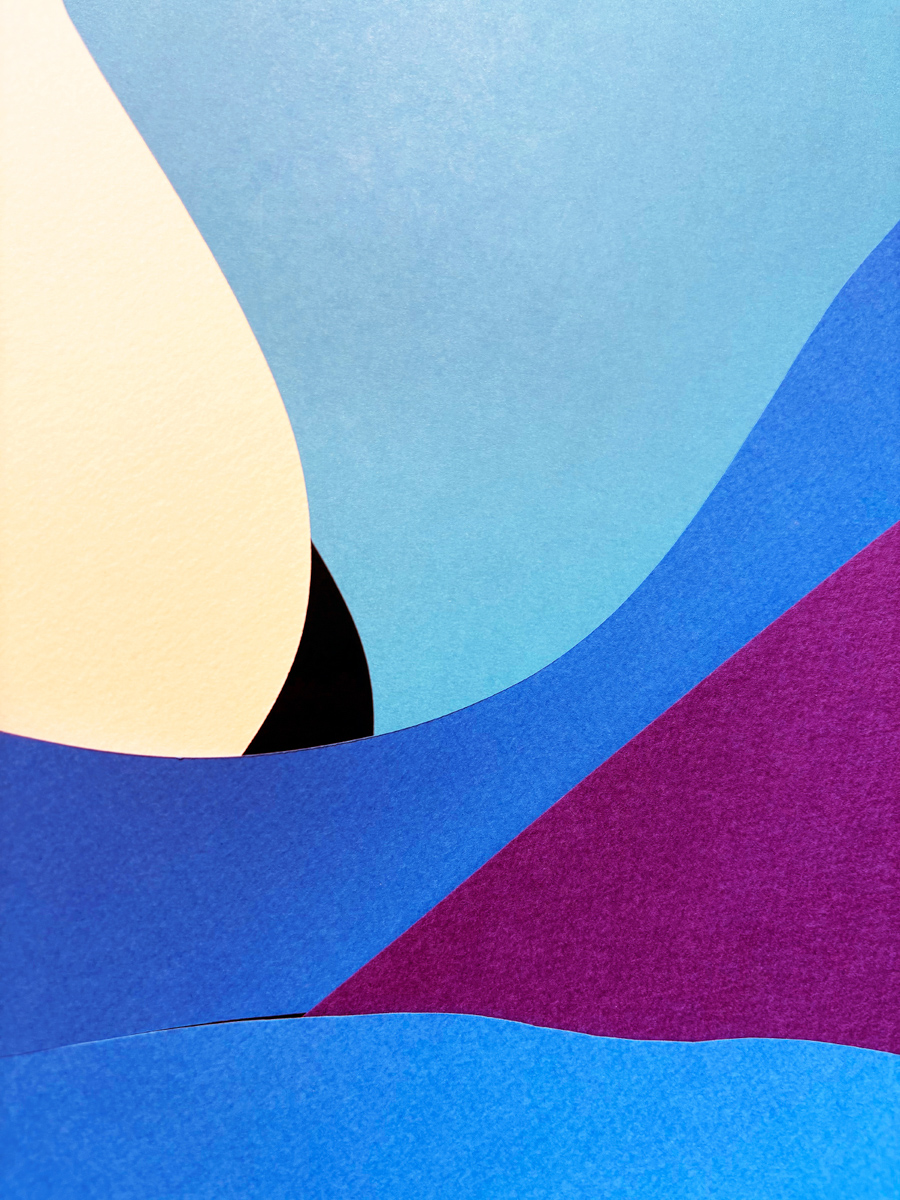
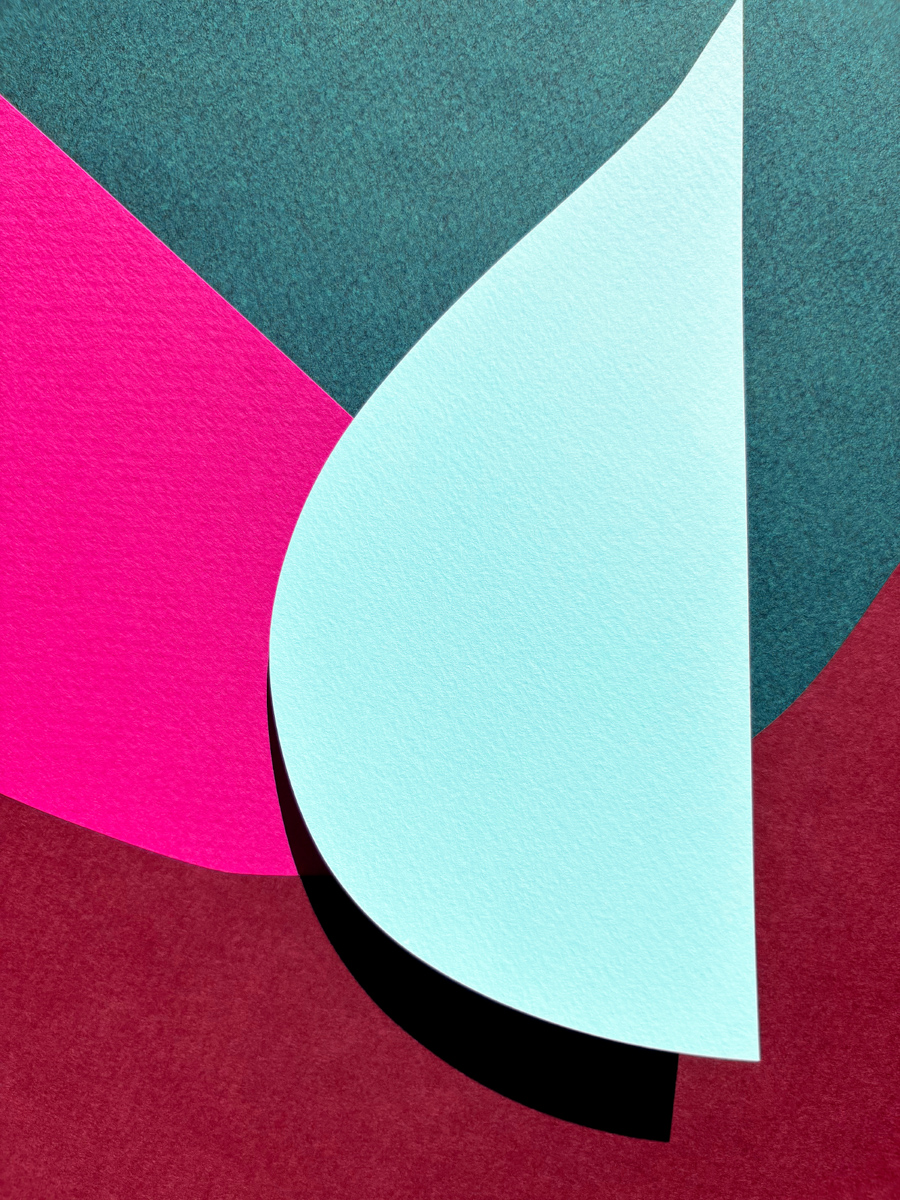
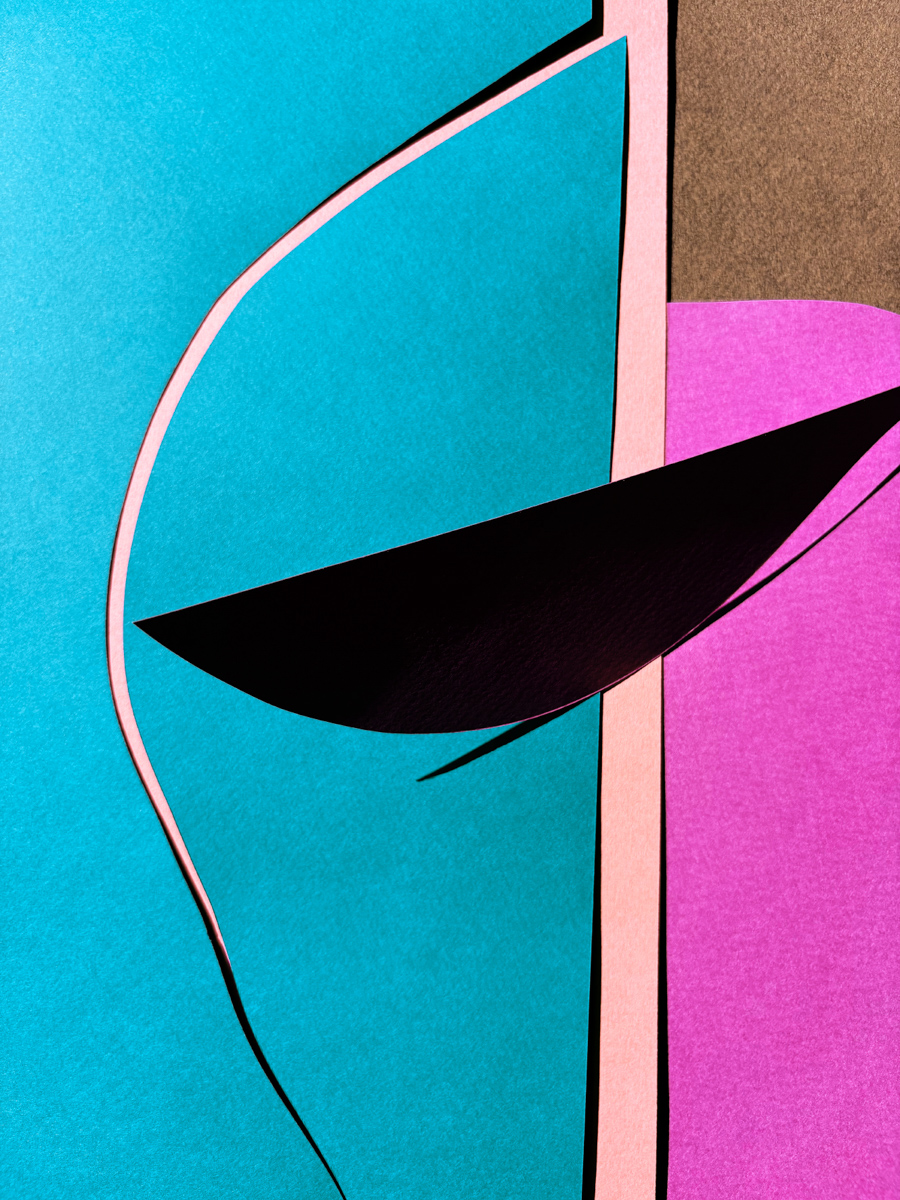
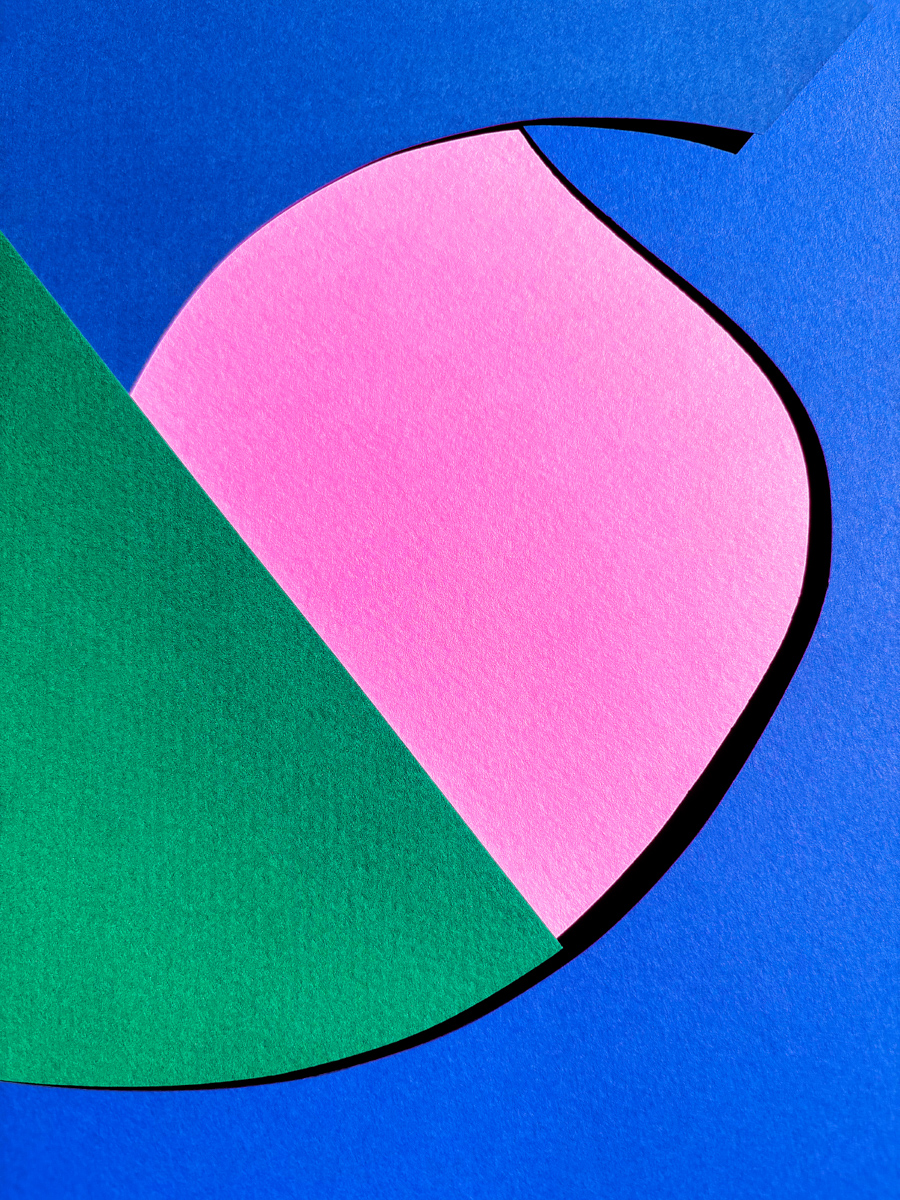
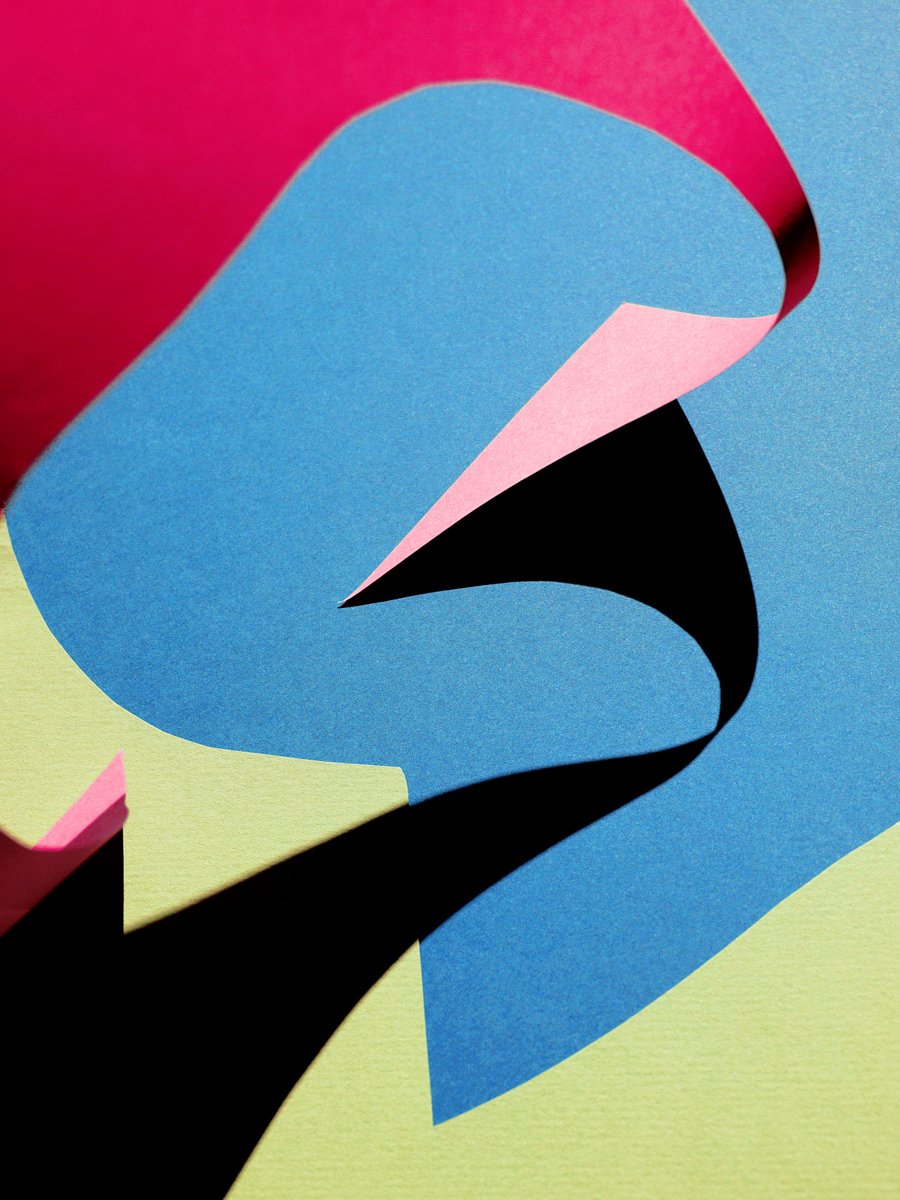
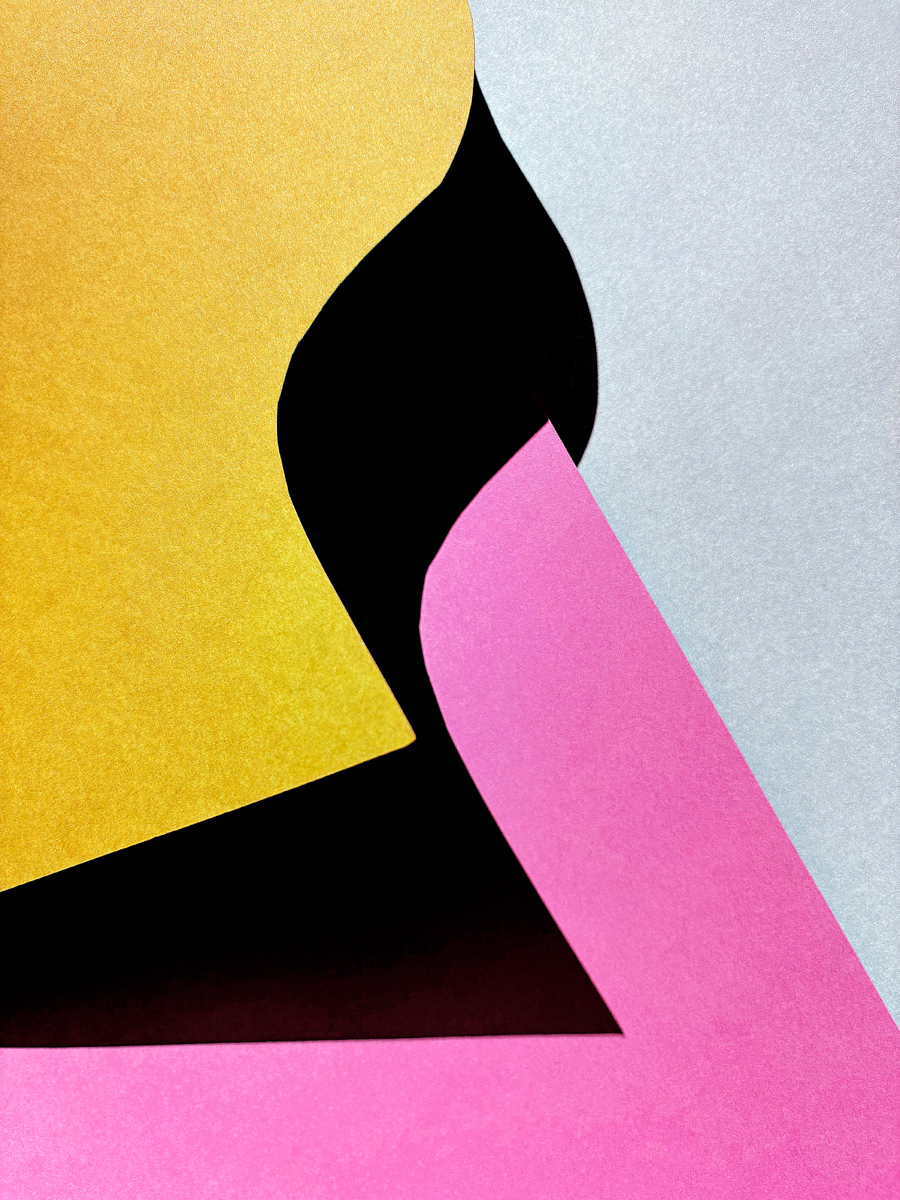
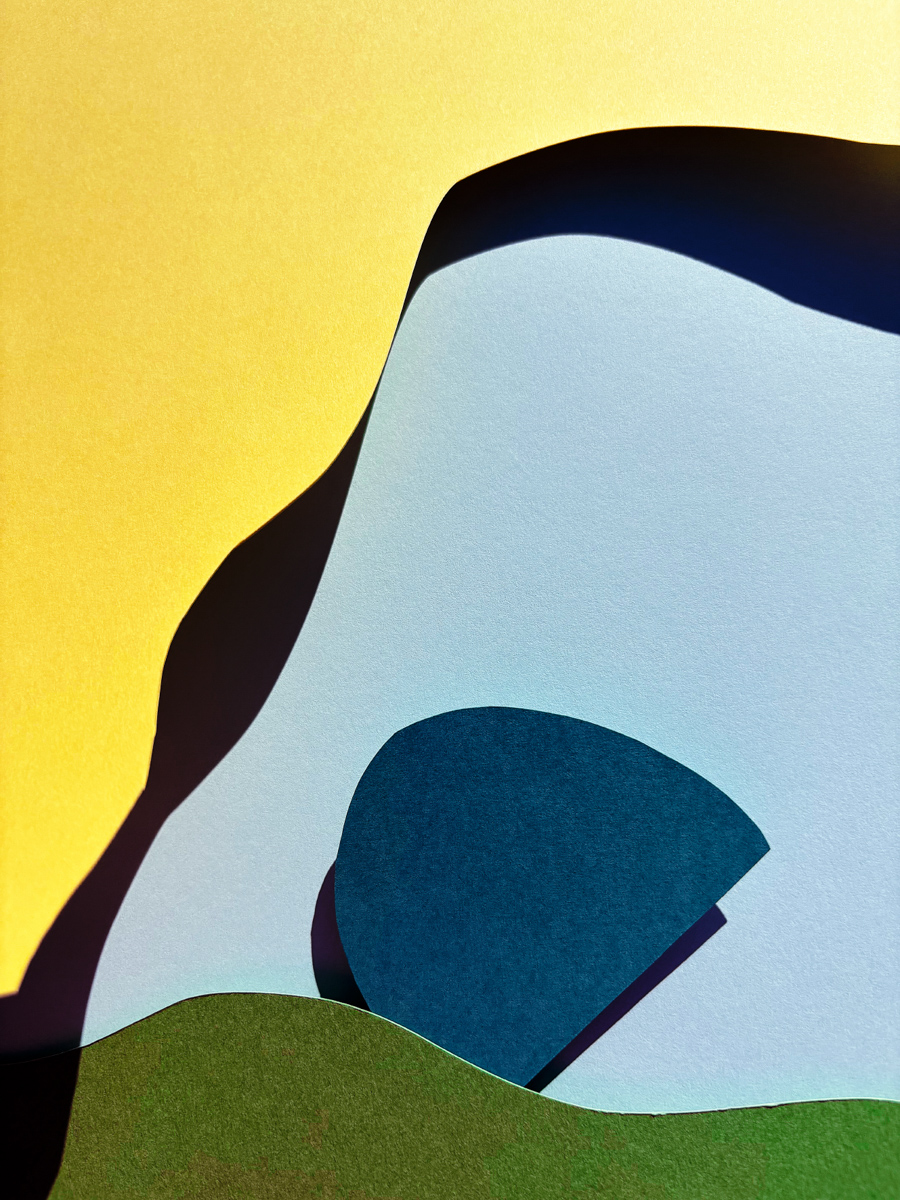
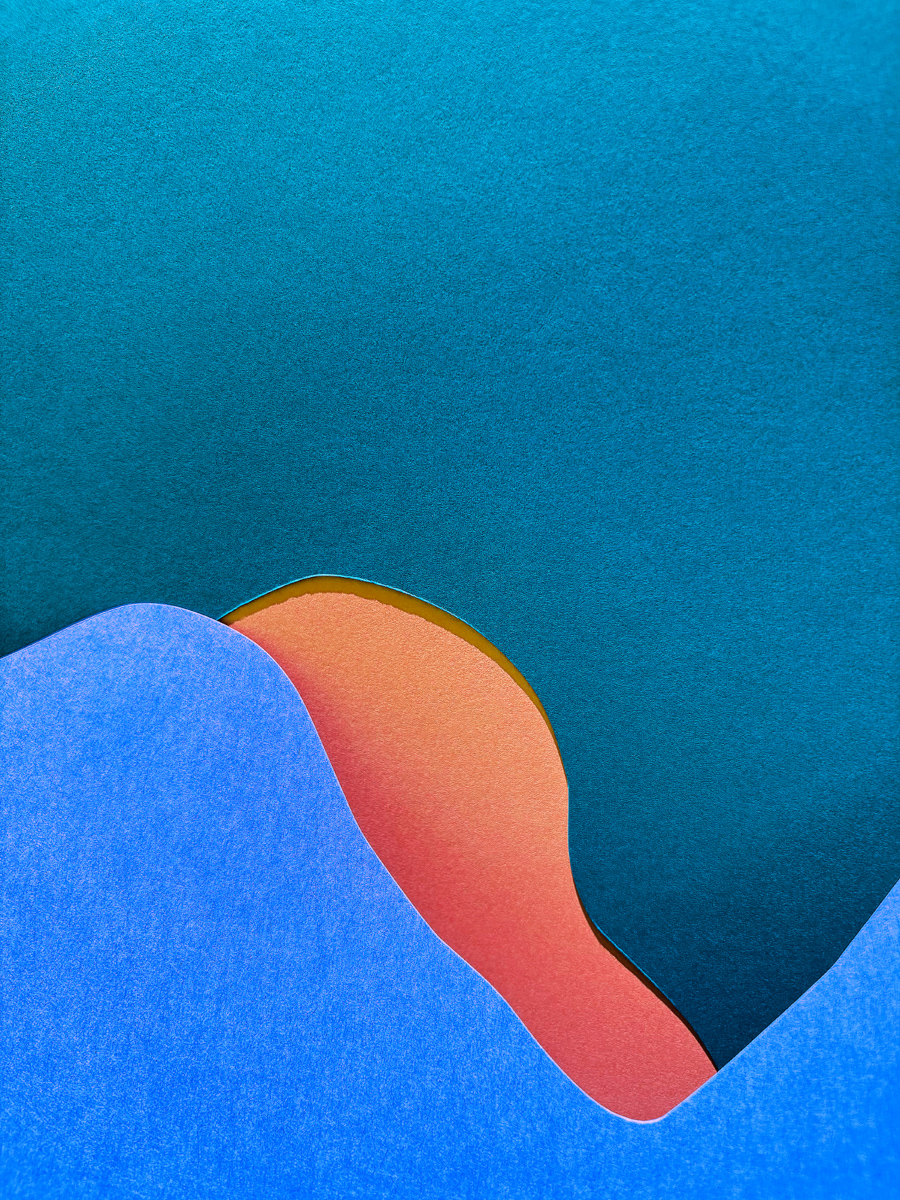
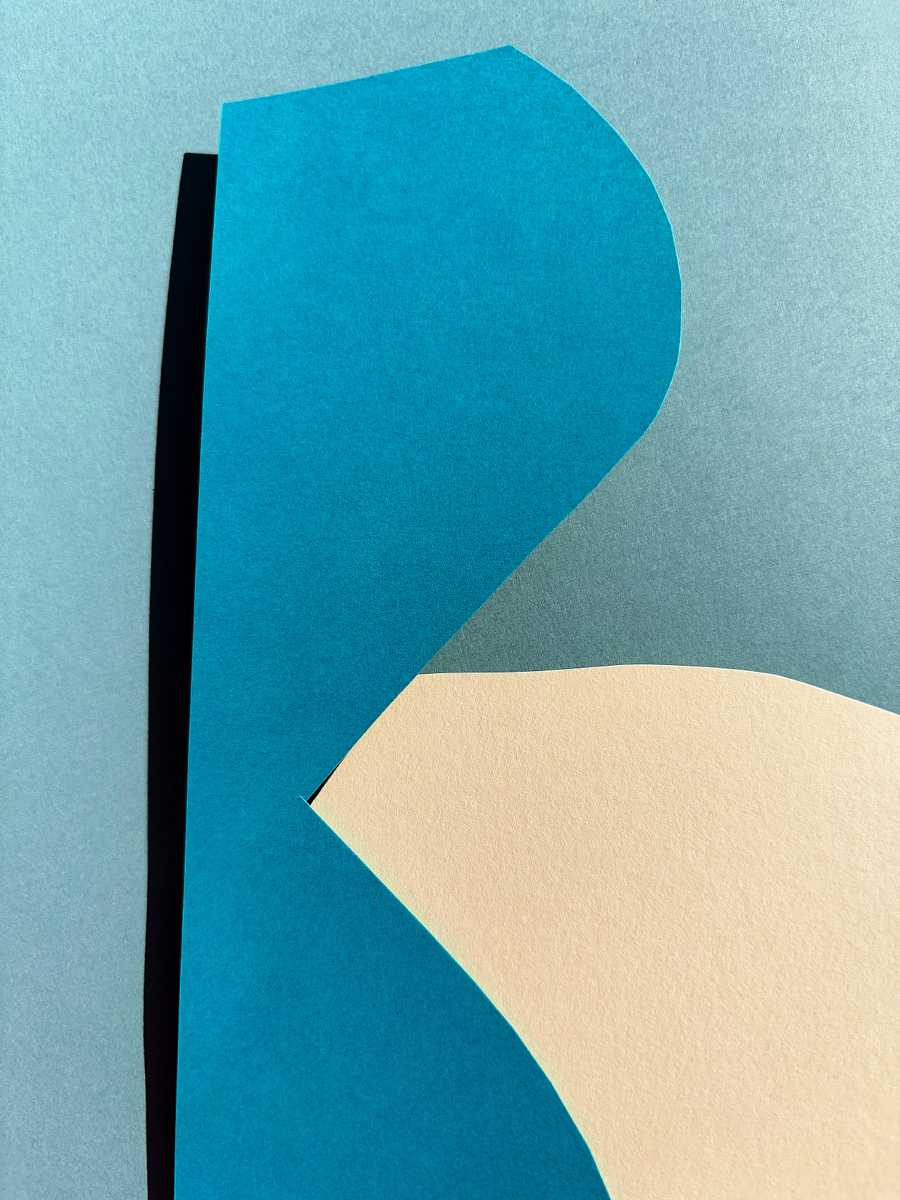
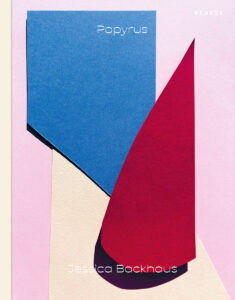 Papyrus is available for sale from publisher Kehrer Verlag, together with the two previous works in the trilogy, Cut Outs (2021) and Plein Soleil (2024). See more from Jessica Backhaus on her website.
Papyrus by Jessica Backhaus
Reinforced softcover
168 pages
Kehrer Verlag, 2026
ISBN 978-3-96900-256-8
Related Posts
 “We, human beings, are a species that’s not only capable of acting on hidden motives—we’re designed to do it,” write Kevin Simler and Robin Hanson in their new book The Elephant in the Brain.
 In her new book Everything Happens for a Reason, divinity professor Kate Bowler writes openly about her own confrontation with death, and how this fits in with the prosperity gospel.
 "This is the tragedy of wanting to make art out of your own life, or wanting to make your own life out of your art – there is no way out."—Antoine d'Agata, in our interview about his life and photography.

Related Posts